One Dish, Many Variations: How to Get the Most Out of Your Weekly Meal Plan

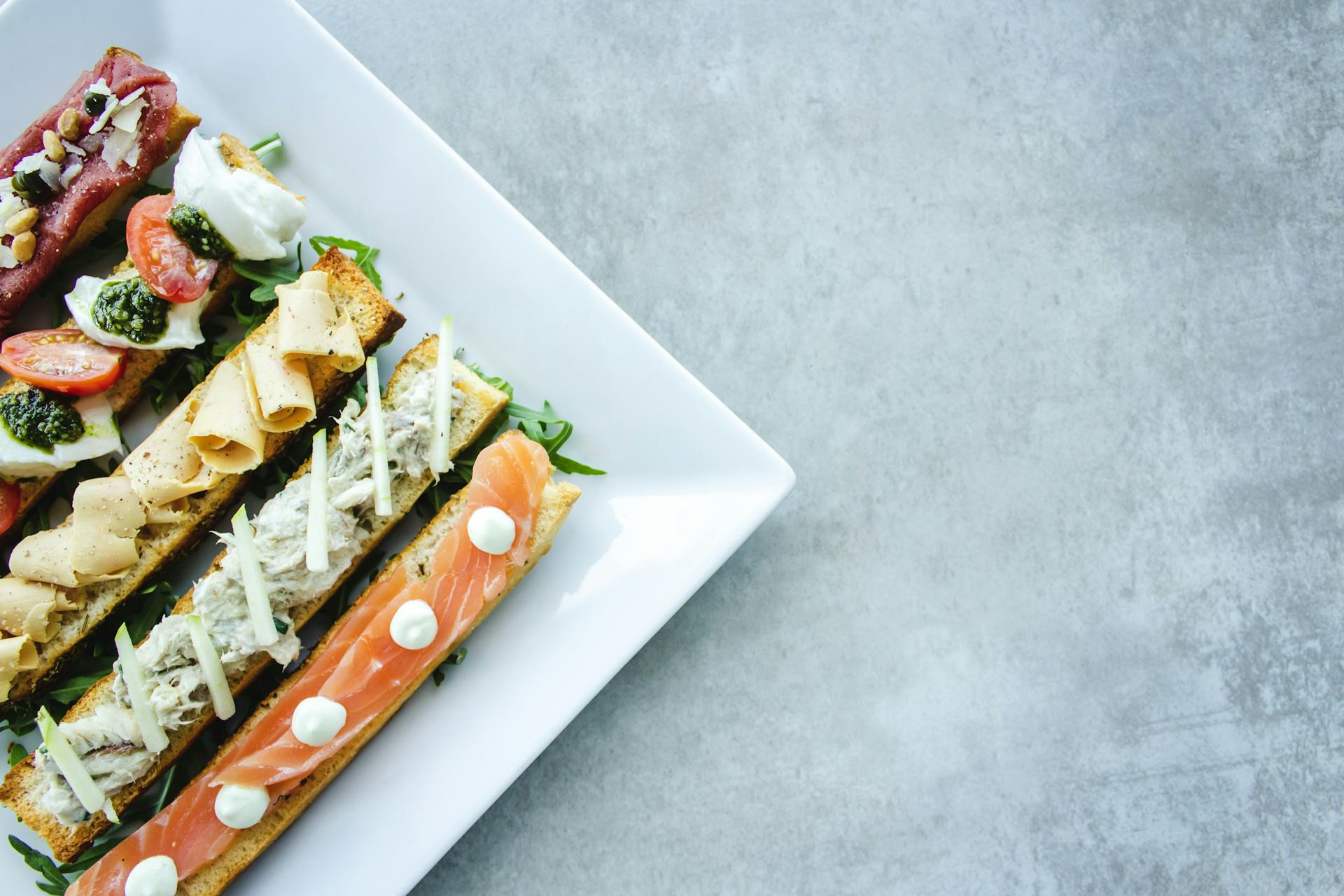
One Dish, Many Variations: How to Get the Most Out of Your Weekly Meal Plan
A good meal plan can save you time, money, and food waste—but it takes a bit of planning and creativity. Instead of treating your meal plan as a rigid schedule, think of it as a flexible framework where one dish can serve as the foundation for several meals throughout the week. This approach helps you make the most of your ingredients and keeps leftovers from going to waste. Here’s how to plan smarter, cook efficiently, and keep your meals exciting all week long.
Think in Base Dishes, Not Single Meals
When planning your week, start by choosing a few base dishes that can easily transform into new meals. These are your building blocks—think a big batch of chili, a roasted chicken, or a pot of lentil stew. With a few tweaks, each can become something new.
- Chili can turn into loaded nachos, a baked potato topping, or a hearty taco filling.
- Roasted chicken can be used in sandwiches, salads, or a quick stir-fry.
- Lentil stew can become soup, a grain bowl topping, or a vegetarian pasta sauce.
By thinking in base dishes, you get both variety and efficiency—and you won’t have to start from scratch every night.
Læs også:

Plan with Purpose
A successful meal plan isn’t just about what you eat—it’s about how you plan. Start by checking what’s already in your fridge, freezer, and pantry, and build your plan around those ingredients. This helps reduce waste and ensures you use up what you have while it’s still fresh.
Lay out your week and match meals to your schedule. On busy days, plan for quick dishes or leftovers. On weekends or days off, cook larger portions that can be repurposed later in the week.
A helpful trick is to think in terms of meal flow: make a big Sunday dinner, use the leftovers Monday in a new dish, and freeze the rest for a busy night later in the month.
Use Sides to Create Variety
Even the same main dish can feel new when you change up the sides. A chicken dish can be served with rice one day, quinoa the next, and tucked into a wrap later in the week. This keeps your meals interesting without extra effort.
Experiment with different flavor profiles to keep things fresh:
- Add an Asian-inspired twist with soy sauce, ginger, and sesame oil.
- Go Mediterranean with olives, tomatoes, and fresh herbs.
- Try a Southwestern spin with corn, black beans, and lime.
Small changes in seasoning and sides can make a big difference—and keep your meal plan from feeling repetitive.
Freeze and Store Smartly
Your freezer is your best friend when it comes to getting the most out of your meal plan. Freeze leftovers in single portions so you can easily grab them for lunch or a quick dinner. Label containers with the contents and date—it’ll save you from mystery meals later.
Some dishes freeze better than others. Soups, stews, and sauces hold up well, while pasta or rice dishes are best frozen without the starches. Think ahead about how you’ll store your food so it tastes just as good when you reheat it.
Make Meal Planning a Habit
Meal planning might feel time-consuming at first, but once you get into the rhythm, it becomes second nature. Spend a little time on Sunday afternoon planning and shopping, and you’ll save yourself from midweek stress and last-minute takeout.
Get the whole family involved—let kids pick a meal or two, or create a list of household favorites that can rotate with small variations. When everyone has a say, it’s easier to keep meals enjoyable and reduce waste.
A Tool for Less Waste and More Enjoyment
Getting the most out of your weekly meal plan isn’t just about saving time and money—it’s also about building a more sustainable kitchen routine. When you use ingredients fully and think creatively about leftovers, you cut down on waste and make the most of what you already have.
Plus, there’s a real sense of ease in knowing dinner is planned, yet still flexible enough for creativity. One dish can become many, and your meal plan can be both structured and inspiring—a recipe for less stress and more satisfaction at the table.
Læs også: