Layers of Flavor: How to Build Aroma and Depth with Natural Ingredients

Layers of Flavor: How to Build Aroma and Depth with Natural Ingredients
Cooking isn’t just about following recipes — it’s about creating flavor. The depth and complexity that make a dish memorable come from building flavor in layers. That means understanding how ingredients, cooking methods, and seasoning work together. Here’s a guide to help you create more aroma and depth in your cooking — using only natural ingredients.
Start with the Flavor Base
Every dish begins with a foundation where flavor develops. It might be a broth, a sauce, a sauté of onions and garlic, or a mix of herbs and vegetables. The base should be balanced before you build on it.
- Sweetness naturally comes from onions, carrots, tomatoes, and root vegetables as they caramelize.
- Acidity from lemon juice, vinegar, or fermented foods brightens and balances.
- Salt enhances other flavors — use it thoughtfully and taste as you go.
- Bitterness from greens like kale, coffee, or dark chocolate adds edge and depth.
- Umami, the fifth taste, is found in mushrooms, ripe tomatoes, seaweed, aged cheese, and slow-cooked dishes.
When you understand how these tastes interact, you can start layering them to make a dish that’s interesting from the first bite to the last.
Let Time Do Its Work
Time is one of the most underrated flavor builders. Slow cooking allows natural sugars to caramelize, proteins to break down, and aromas to deepen.
- Stews and soups taste better the longer they simmer.
- Roasted vegetables develop a richer sweetness when cooked low and slow.
- Fermentation — think sauerkraut, kimchi, or sourdough — creates complex flavors that can’t be replicated any other way.
Patience in the kitchen pays off with food that tastes round, balanced, and naturally satisfying.
Læs også:


Build Layers with Natural Ingredients
Instead of relying on bouillon cubes or artificial flavor enhancers, you can create depth with ingredients that naturally carry aroma and taste.
- Mushrooms, especially dried varieties like porcini or shiitake, add intense umami.
- Tomato paste, when briefly toasted in oil, develops a deep, sweet-savory flavor.
- Nuts and seeds, when toasted, bring both texture and a warm nuttiness.
- Herbs and spices — add some early for depth, and save a bit for the end to keep flavors fresh.
- Citrus zest and fresh ginger can lift heavy dishes with brightness and energy.
By combining ingredients that each contribute something unique, you create dishes that feel alive and balanced.
Use Contrast Intentionally
Layering flavor isn’t just about adding more — it’s about creating contrast. A creamy soup becomes more exciting with a tangy swirl of yogurt, a crunchy topping, or a sprinkle of fresh herbs. A sweet dessert gains depth from a touch of salt or a hint of bitterness.
Think in terms of texture, temperature, and taste: something soft against something crisp, something warm paired with something cool, something sweet balanced by something tart. It’s the contrasts that make flavors memorable.
Cook with the Seasons
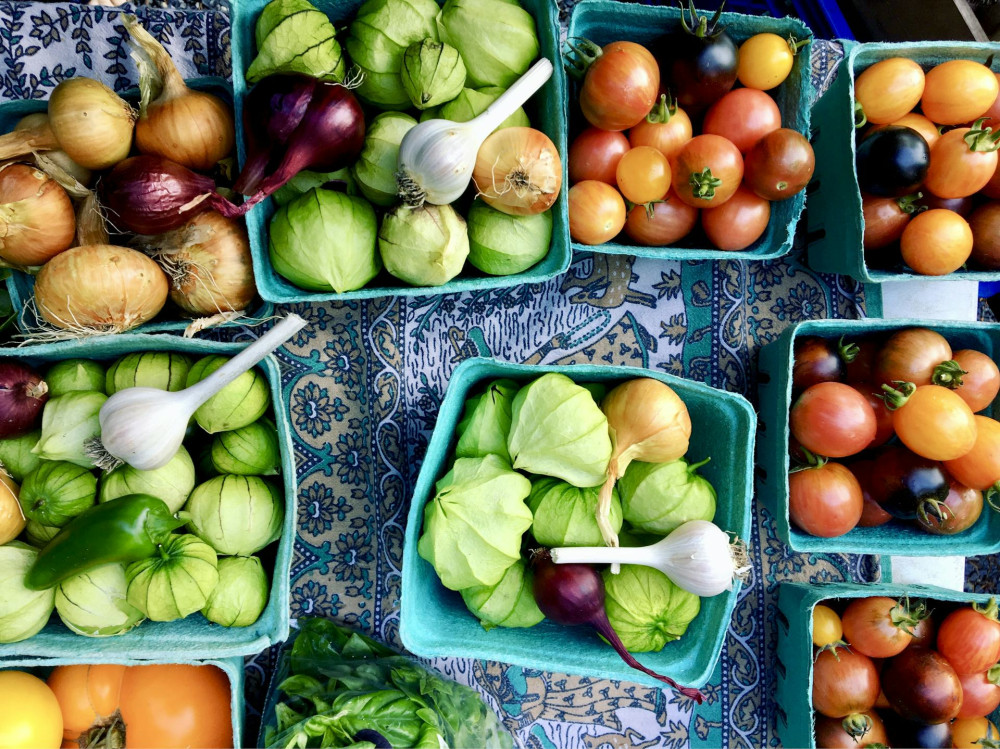
Seasonal ingredients taste best when they’re at their natural peak. A summer tomato needs little help to shine, while a winter squash brings its own earthy sweetness. Cooking with the seasons not only gives you better flavor but also supports a more sustainable food culture.
Try making a simple vegetable stock from scraps, grow a few herbs on your windowsill, and freeze what you can’t use right away. It’s economical, eco-friendly, and full of flavor potential.
Taste, Adjust, and Trust Your Senses
Building layers of flavor isn’t an exact science — it’s a process. Taste as you go, adjust seasoning, and use your nose as a guide. You’ll quickly notice how aroma changes when you add acid, toast spices, or let a dish rest a little longer.
Most importantly, stay curious. When you learn how natural ingredients interact, cooking becomes more than a routine — it becomes a creative process where you craft flavors that feel genuine and deeply satisfying.
Læs også: