Acceptance as Strength: Finding Inner Peace in What You Can’t Control


Discover how embracing what you cannot change can lead to calm, clarity, and genuine strength.
Everyday life
Everyday life
2 min
In a world that constantly urges us to take control, acceptance may seem counterintuitive. Yet learning to let go of what lies beyond our influence can bring deep peace and resilience. This article explores how acceptance transforms struggle into strength and helps you live with greater balance and authenticity.
Saoirse Fisher
Saoirse
Fisher

Acceptance as Strength: Finding Inner Peace in What You Can’t Control

Discover how embracing what you cannot change can lead to calm, clarity, and genuine strength.
Everyday life
Everyday life
2 min
In a world that constantly urges us to take control, acceptance may seem counterintuitive. Yet learning to let go of what lies beyond our influence can bring deep peace and resilience. This article explores how acceptance transforms struggle into strength and helps you live with greater balance and authenticity.
Saoirse Fisher
Saoirse
Fisher

In a culture that prizes productivity, self-improvement, and control, it can feel almost unnatural to let go. We plan, predict, and push ourselves to manage every detail—from our careers and relationships to our health and future. Yet life has a way of reminding us that much lies beyond our reach. Learning to accept what we cannot change is not a sign of weakness—it’s a profound act of strength. Acceptance can become a path to inner peace, balance, and a more authentic way of living.

What Acceptance Really Means

Acceptance is often misunderstood as resignation or indifference. In truth, it’s about acknowledging reality as it is, without wasting energy fighting what cannot be undone. When we accept that some things—like other people’s choices, the past, or unexpected events—are outside our control, we free up energy to focus on what we can influence.

Acceptance doesn’t mean tolerating injustice or giving up on growth. It’s an active choice to meet life with openness instead of resistance. It’s the difference between saying, “I don’t like this, but I’ll deal with it,” and “I refuse to believe this is happening.”

Why Resistance Creates Turmoil

When we resist reality, we create inner tension. We spend time and energy wishing things were different, which leads to frustration, stress, and helplessness. It might be something small, like a delayed flight, or something life-changing, like illness, loss, or a breakup.

Resistance is a natural reaction—it’s part of being human—but it can become a trap. The more we try to control the uncontrollable, the more we lose our sense of stability. Acceptance, on the other hand, allows us to find calm in the midst of chaos—not because everything is perfect, but because we stop fighting what is.

Practicing Acceptance—Small Steps Toward Greater Peace

Acceptance is not a one-time decision; it’s a practice that unfolds over time. Here are a few ways to begin:

  • Notice your thoughts – Pay attention to when you start resisting something you can’t change. Awareness is the first step toward acceptance.
  • Pause and breathe – When frustration rises, take a few deep breaths and remind yourself that you don’t have to react immediately.
  • Focus on what you can control – Direct your energy toward actions that make a difference, rather than dwelling on what’s beyond your reach.
  • Practice gratitude – Even in difficult moments, look for small things to appreciate. Gratitude shifts perspective and nurtures calm.
  • Be kind to yourself – Acceptance includes self-compassion. You’re doing your best with the circumstances you have.

When Life Doesn’t Go as Planned

Everyone faces moments when life takes an unexpected turn—illness, job loss, divorce, or other crises. In those times, acceptance can feel impossible. Yet it’s often in these moments that acceptance becomes most healing. To accept doesn’t mean to approve; it means to acknowledge what has happened and to begin finding a way forward.

Many people discover that once they stop fighting reality, new possibilities emerge. Acceptance opens the door to change because it brings clarity and frees the energy needed to act constructively.

Acceptance as a Way of Living

Living with acceptance as a guiding principle means approaching life with flexibility and trust. It’s understanding that control is largely an illusion, and that peace doesn’t come from managing everything—it comes from staying grounded when things shift.

This mindset can be practiced in everyday life—in relationships, at work, and within ourselves. When you accept that others think and act differently, you become more understanding. When you accept that you can’t do everything, you become more realistic and less stressed. And when you accept that life is unpredictable, you become freer.

Finding Inner Peace Through Acceptance

Inner peace isn’t about avoiding challenges; it’s about finding steadiness within them. Acceptance is a tool for that steadiness. It allows us to live with greater presence, less fear, and more trust in our ability to handle whatever comes.

The next time you face a situation you can’t control, ask yourself: “Can I change this?” If the answer is no, practice letting go—not as a defeat, but as a conscious act of strength.

Acceptance as Strength: Finding Inner Peace in What You Can’t Control
Discover how embracing what you cannot change can lead to calm, clarity, and genuine strength.
Everyday life
Everyday life
Mindfulness
Inner Peace
Personal Growth
Emotional Wellbeing
Self-Compassion
2 min
In a world that constantly urges us to take control, acceptance may seem counterintuitive. Yet learning to let go of what lies beyond our influence can bring deep peace and resilience. This article explores how acceptance transforms struggle into strength and helps you live with greater balance and authenticity.
Saoirse Fisher
Saoirse
Fisher
Balance Through Time: How Different Cultures Have Understood and Practiced Harmony
Discover how civilizations across the world have defined and pursued the art of living in harmony.
Everyday life
Everyday life
Cultural History
Philosophy
Mindfulness
Wellbeing
Global Traditions
7 min
From ancient philosophies to modern wellness movements, the idea of balance has shaped how people understand life, nature, and themselves. This article explores how different cultures—Chinese, Greek, Indian, Indigenous, and Japanese—have each developed their own timeless visions of harmony.
Jack Brooks
Jack
Brooks
Training in Tune with Life – Plan According to Your Phases
Discover how aligning your workouts with your body’s natural rhythms can boost energy, balance, and long-term motivation.
Everyday life
Everyday life
Fitness
Wellness
Training Plan
Life Balance
Sustainable Health
2 min
Training doesn’t have to mean rigid schedules and constant pressure. By planning your workouts according to your body’s phases, life stages, and the changing seasons, you can create a sustainable fitness routine that supports both well-being and joy in movement.
Kennedy Gomez
Kennedy
Gomez
Celebrate Your Progress: A Key to Personal Growth
Discover how acknowledging your achievements can fuel lasting motivation and self-confidence
Everyday life
Everyday life
Personal Growth
Motivation
Self-Improvement
Mindfulness
Confidence
7 min
Learn why taking time to celebrate your progress is essential for personal growth. This article explores how recognizing even small steps forward can boost your motivation, strengthen your mindset, and make your journey toward self-improvement more fulfilling.
Mia Allen
Mia
Allen
Overview of children’s hats – from classic to modern styles
Find the right hat for your child through the seasons of the year
Children
Children
Children’s clothing
Hats
Autumn and winter
Parents
Clothing guide
5 min
Get a complete overview of children’s hats for all seasons – from classic knitted hats to modern styles in technical materials. The article provides inspiration for choosing a hat that suits your child’s needs.
Dante Stevens
Dante
Stevens
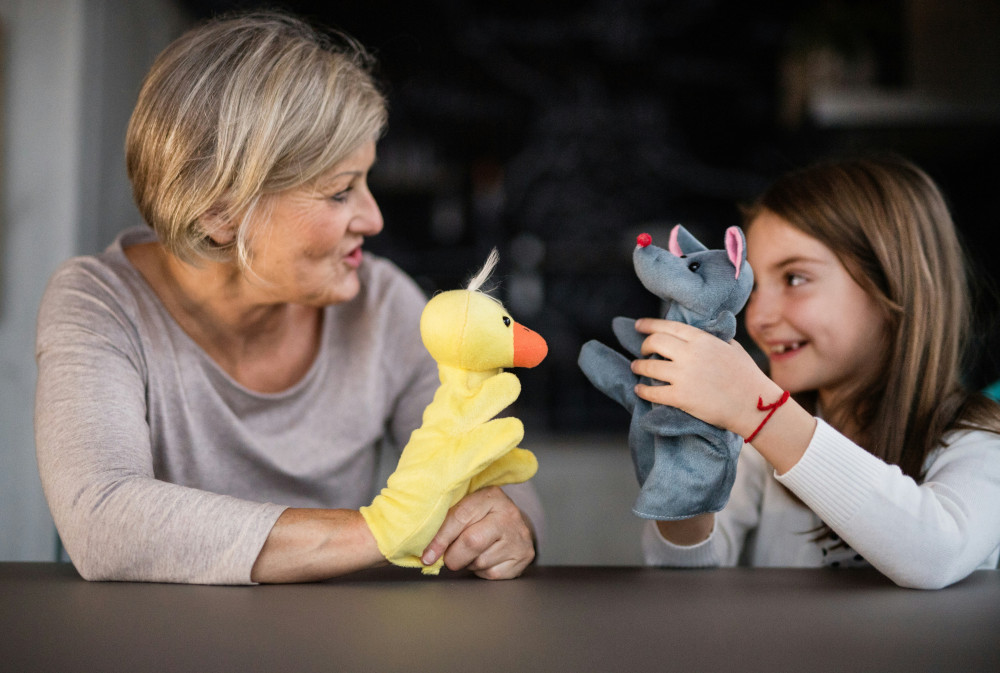
Various hand puppets gathered in one overview
Bring playtime to life with fun and imaginative hand puppets for children of all ages
Children
Children
Hand puppets
Children’s play
Creativity
Family
Toys
3 min
Hand puppets open up creative play and storytelling. In this article, you get an overview of different types of hand puppets, materials and themes, so you can find the figures that best suit your child’s imagination.
Saoirse Fisher
Saoirse
Fisher
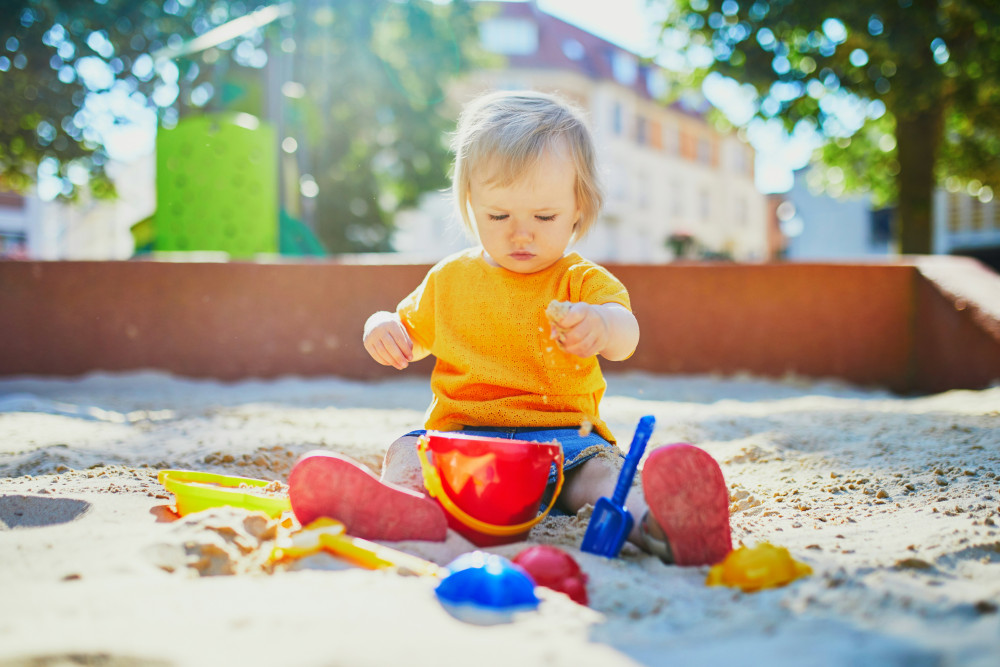
Sandpits in wood, plastic and other materials – see the selection
Create play and creative expression in the garden with the right sandpit for the children
Children
Children
Sandpit
Garden play
Children
Outdoor activities
Family fun
2 min
Find the sandpit that suits your garden and your family’s needs. We provide an overview of sandpits in wood, plastic and other materials, so you can easily compare the options and choose the right model.
Jack Brooks
Jack
Brooks