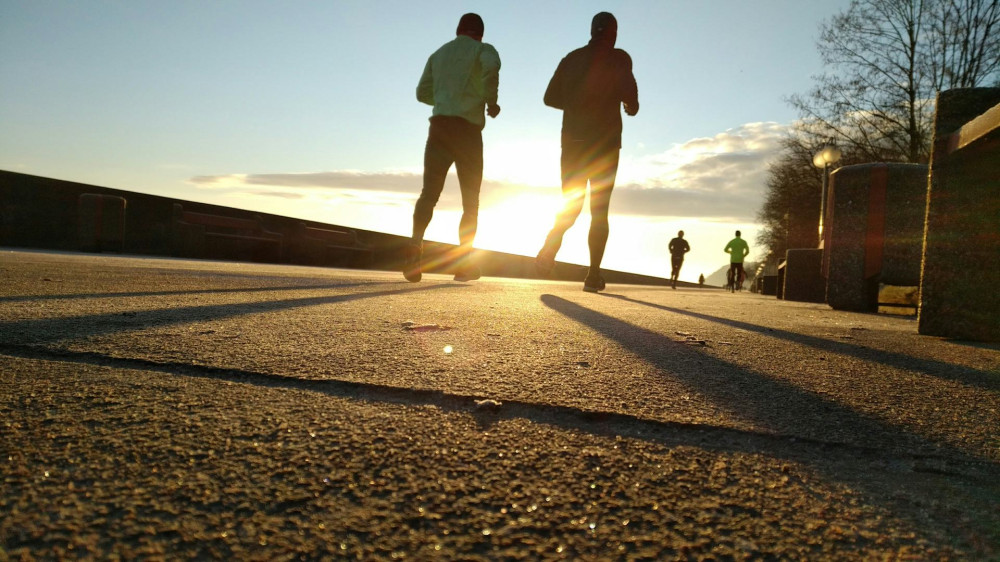
Training in Tune with Life – Plan According to Your Phases

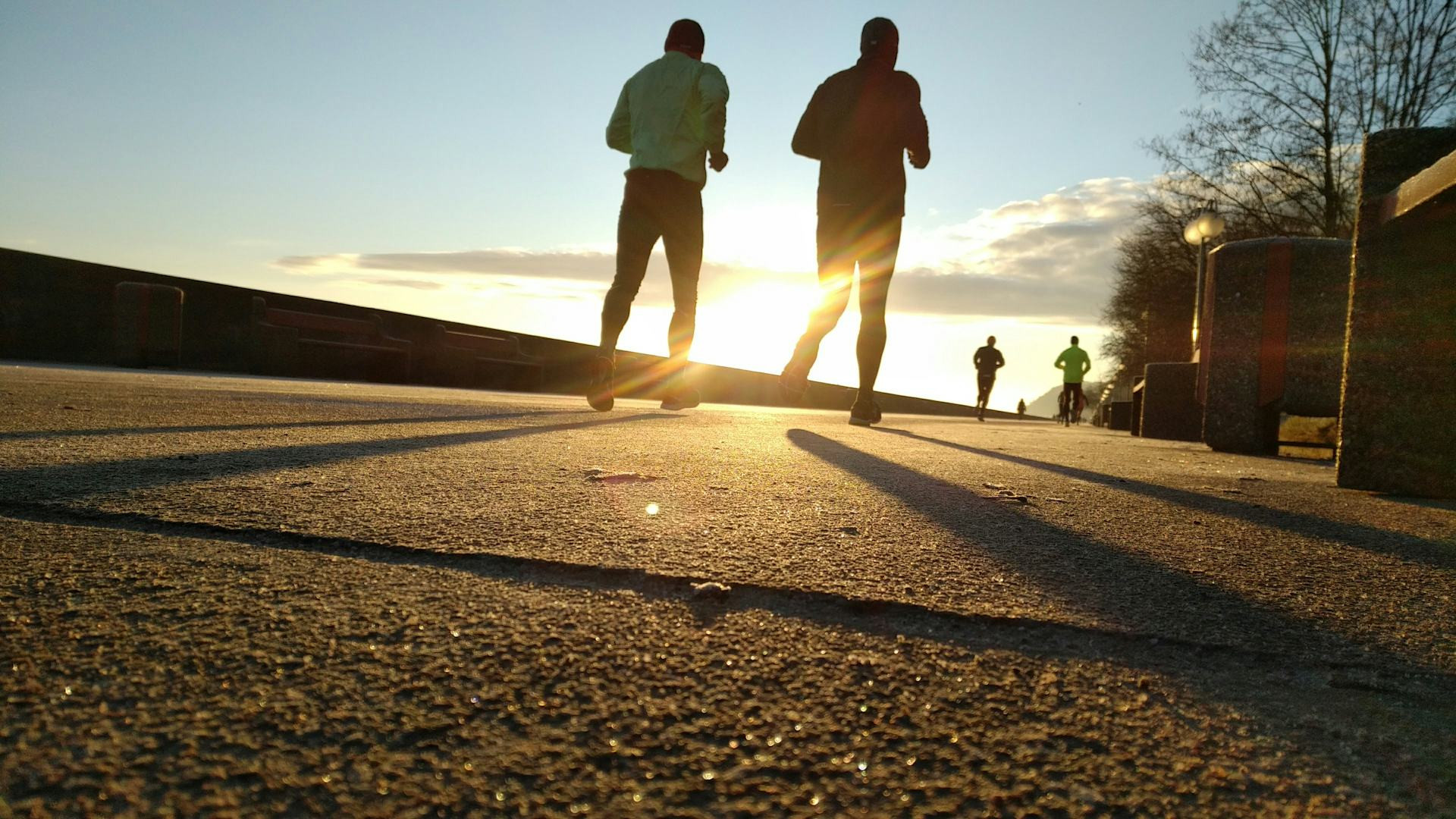
Training in Tune with Life – Plan According to Your Phases
In today’s fitness culture, training is often tied to discipline, strict routines, and measurable results. But our bodies – and our lives – move in rhythms. Energy, motivation, and needs shift throughout the year, the month, and different stages of life. When you learn to plan your workouts in harmony with these natural changes, it becomes easier to stay consistent, avoid burnout, and rediscover the joy of movement.
The Body’s Rhythms – More Than Just Biology
Our bodies operate in cycles. Sleep, hormones, energy, and recovery all follow patterns influenced by daily rhythms, seasons, and life circumstances. Many people feel more energized in spring and summer, while fall and winter invite rest and reflection.
Training in tune with life isn’t about pushing yourself to perform the same way all the time. It’s about listening to your body’s signals and adjusting your effort accordingly. This approach creates balance between activity and rest – leading to more sustainable results and a healthier relationship with exercise.
Læs også:




Plan According to Your Phases
1. High-Energy Phases – Build Strength and Momentum
When you feel motivated and full of energy, it’s the perfect time to increase intensity. This might happen in the spring, after a vacation, or during a period when life feels light and manageable. Use that momentum to set new goals, challenge yourself, and build strength.
- Try new workouts or classes that excite you.
- Gradually increase intensity, but keep recovery in the plan.
- Set realistic milestones so you can celebrate progress along the way.
2. Busy or Stressful Phases – Slow Down, but Stay Consistent
When work, family, or life in general demands more of you, it’s tempting to skip workouts altogether. But even short, gentle sessions can make a big difference. The goal is to maintain rhythm – not perfection.
- Take a walk during your lunch break or do a 20-minute yoga session at home.
- Focus on movement that calms rather than drains you.
- Remind yourself that a little movement is far better than none.
3. Low-Energy Phases – Give Your Body Time
Fatigue, illness, or emotional strain are signs that your body needs rest. Instead of fighting it, use this time to rebuild.
- Prioritize sleep, nourishing food, and light movement.
- Try breathing exercises or gentle stretching as a form of active recovery.
- When your energy returns, your body will thank you for the pause.
Life Stages – Training as a Lifelong Companion
Your relationship with exercise evolves over time. In your 20s, it might be about pushing limits and building strength. In your 40s and 50s, maintaining balance and preventing injury become more important. Later in life, the focus often shifts toward mobility, stability, and overall well-being.
By accepting that your needs change, you can create a training routine that grows with you – one that supports you through every stage rather than becoming a battle against time.
The Influence of the Seasons
Many people notice that motivation fluctuates with the seasons. Instead of seeing that as a problem, you can use it to your advantage:
- Spring: A time for new beginnings – outdoor workouts, running, or cycling.
- Summer: Enjoy movement in nature – swimming, hiking, or playful activities.
- Fall: Slow the pace, focus on strength and grounding routines.
- Winter: Embrace rest, indoor training, and gentle rebuilding.
When you plan your workouts around the seasons, training becomes a natural part of life – not a chore, but a rhythm.
Listen, Adjust, and Repeat
Training in tune with life requires awareness. Listen to your body, and don’t be afraid to adjust. Some weeks call for intensity; others call for rest. The key is consistency – to keep moving, no matter the pace.
When you accept that both your body and your life move in phases, training stops being a project and becomes a lifelong companion.
Læs også: