Quality Clothing Is Defined by Stitching, Fabric, and Details That Last


Quality Clothing Is Defined by Stitching, Fabric, and Details That Last
When you pick up a piece of clothing, it can be hard to tell what’s truly high quality and what just looks expensive. But there are clear signs if you know where to look. Quality clothing isn’t just about brand names or price tags—it’s about craftsmanship, materials, and the small details that help garments keep their shape, color, and comfort for years.
Here’s a guide to recognizing well-made clothing and why investing in fewer, better pieces can pay off in the long run.
Stitching Reveals the Craftsmanship
One of the most reliable indicators of quality is the stitching. Look closely at the seams—both inside and out. Are the stitches even, tight, and free of loose threads? That’s a good sign. Cheaper garments often have fewer stitches per inch, which makes the seams weaker and more likely to unravel.
Check for reinforced stitching in high-stress areas like shoulders, pockets, and cuffs. These are the spots that endure the most wear. Double stitching or extra reinforcement shows that the maker considered durability.
A good trick is to turn the garment inside out. Quality clothing looks almost as neat on the inside as it does on the outside—a sure sign of careful construction.
The Fabric Is the Foundation
The fabric determines how a garment feels, drapes, and ages. Natural fibers like wool, cotton, linen, and silk usually offer better breathability and comfort than synthetics. They also tend to age more gracefully when cared for properly.
But not all natural fabrics are equal. For example, cotton can be woven from short or long fibers—long-staple cotton produces a smoother, stronger, and more durable fabric. The same goes for wool: merino and cashmere are prized for their softness, warmth, and resilience.
When in doubt, feel the fabric between your fingers. Does it feel dense, smooth, and substantial? That’s often a sign of quality. If it feels thin, stiff, or overly synthetic, it may not hold its shape for long.
Details Make the Difference
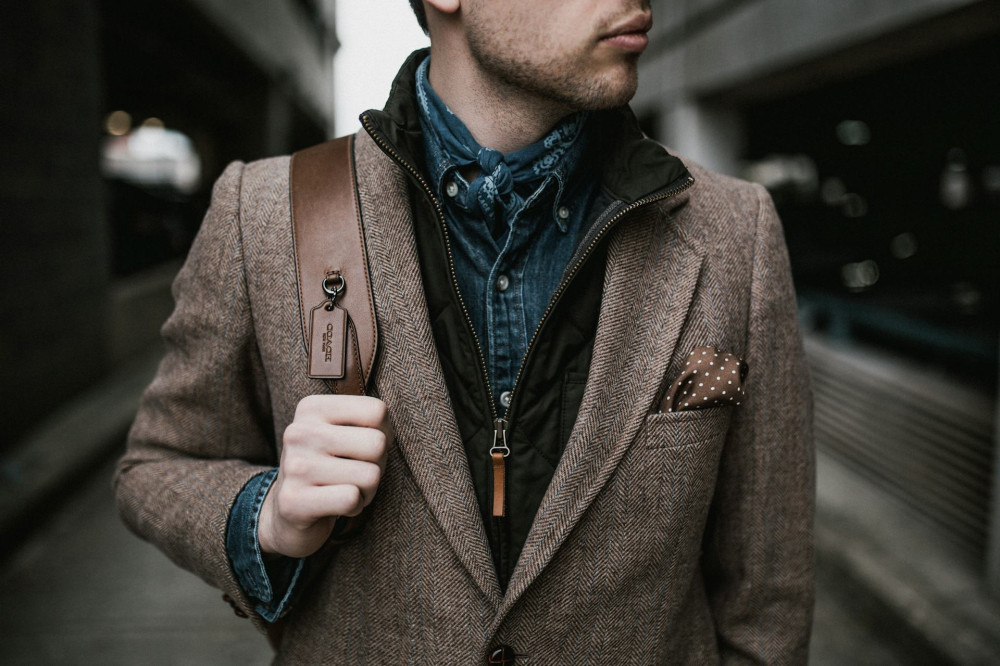
Buttons, zippers, linings, and stitching details say a lot about quality. Buttons made from mother-of-pearl, horn, or metal last longer than plastic ones, and they’re often sewn on with cross-stitching or extra thread for security. A good zipper glides smoothly and is firmly attached to the fabric.
The lining in jackets or pants should be smooth and neatly sewn without puckering. It makes the garment more comfortable and extends its life. Stitching around pockets and edges should be precise—this is where you can really see the difference between mass production and careful craftsmanship.
Fit and Construction
Quality isn’t just about materials—it’s also about how a garment is constructed. A good fit means the clothing follows the body’s lines without pulling or sagging. That requires precise patterns and skilled tailoring.
Try the garment on and move around in it. Does it feel natural and drape well? That’s a good sign. Cheaper clothing might look fine on the hanger but lose its shape after a few wears because the construction doesn’t account for movement and stress.
Læs også:



Why Quality Pays Off
While quality clothing often costs more upfront, it can be a smart financial and sustainable investment. A well-made piece lasts longer, needs fewer replacements, and can often be repaired instead of discarded. That means less waste and a smaller environmental footprint.
Quality garments also age beautifully. A wool coat can develop a rich patina, a leather jacket can soften over time, and a pair of jeans can gain character with wear—all signs that your clothes are living with you, not against you.
Caring for Quality Clothing
Even the best-made clothes need care. Follow the care labels, and avoid over-washing—often, airing out a garment is enough. Use hangers that support the shoulders, and store wool and silk in a cool, dry place away from sunlight and moths.
Small repairs, like sewing on a button or mending a seam, can greatly extend a garment’s life. Many tailors and dry cleaners offer professional maintenance that can refresh and restore your favorite pieces.
Quality Is a Mindset
Choosing quality clothing is ultimately about awareness. It’s a decision to buy less but better—and to appreciate craftsmanship, materials, and design that endure. Once you experience the difference, it’s hard to go back.
Læs også: