New Trends in Casket Design: When Sustainability and Aesthetics Meet

New Trends in Casket Design: When Sustainability and Aesthetics Meet
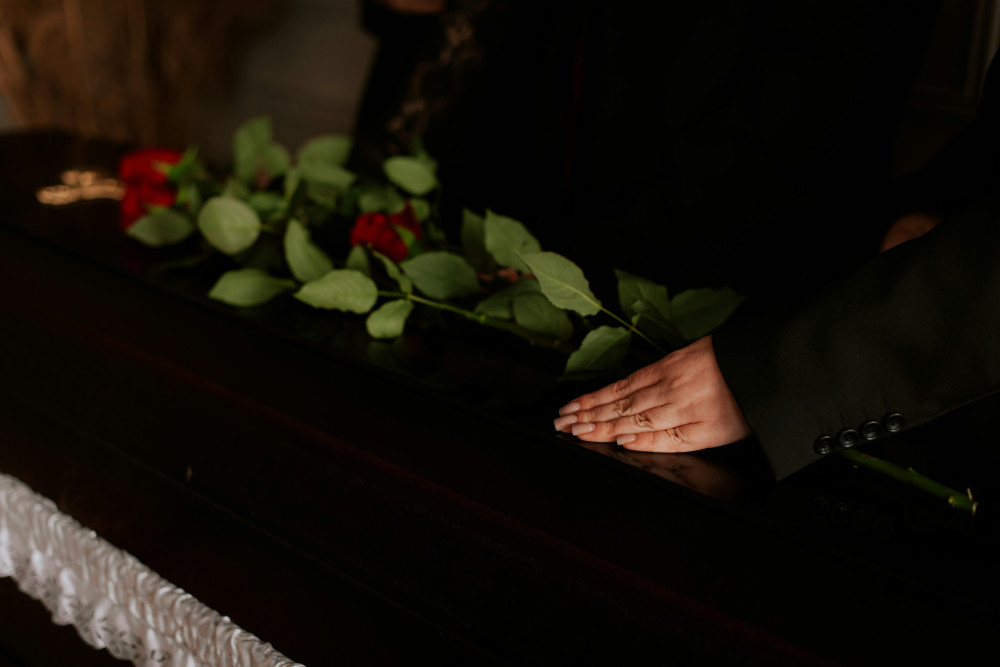
For generations, the casket has symbolized respect, remembrance, and tradition. Yet as American culture evolves, so too does our approach to death and memorialization. Today, families and individuals are rethinking what a final resting vessel can represent—seeking designs that reflect personal values, environmental awareness, and a sense of beauty that feels true to life.
From Standard to Personalized
Not long ago, most caskets looked alike: heavy, polished wood with a conventional silhouette. Now, more people are choosing to make this final object a reflection of individuality. Whether through color, texture, or form, the casket has become a canvas for personal expression.
Across the U.S., funeral homes and independent artisans are offering custom options—from sleek, minimalist designs to hand-painted motifs inspired by nature or heritage. Some families collaborate with local artists to create one-of-a-kind pieces that celebrate a loved one’s story rather than simply mark its end.
Sustainability as a Guiding Principle
One of the most significant shifts in recent years is the growing emphasis on sustainability. Many Americans want their final choices to align with their environmental values. This has led to a surge in demand for caskets made from responsibly sourced wood, recycled materials, or biodegradable alternatives.
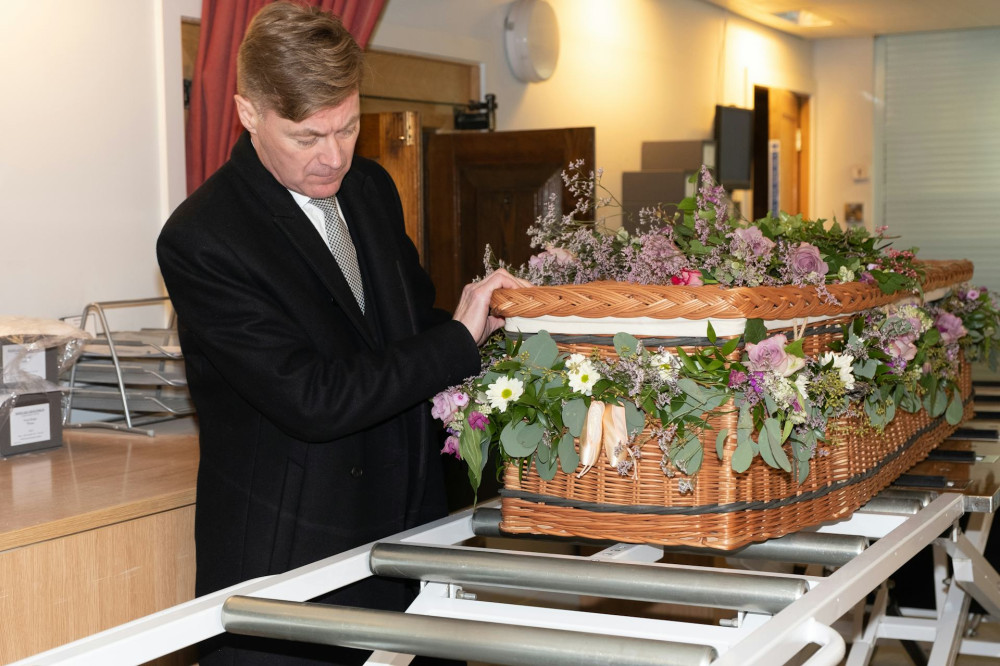
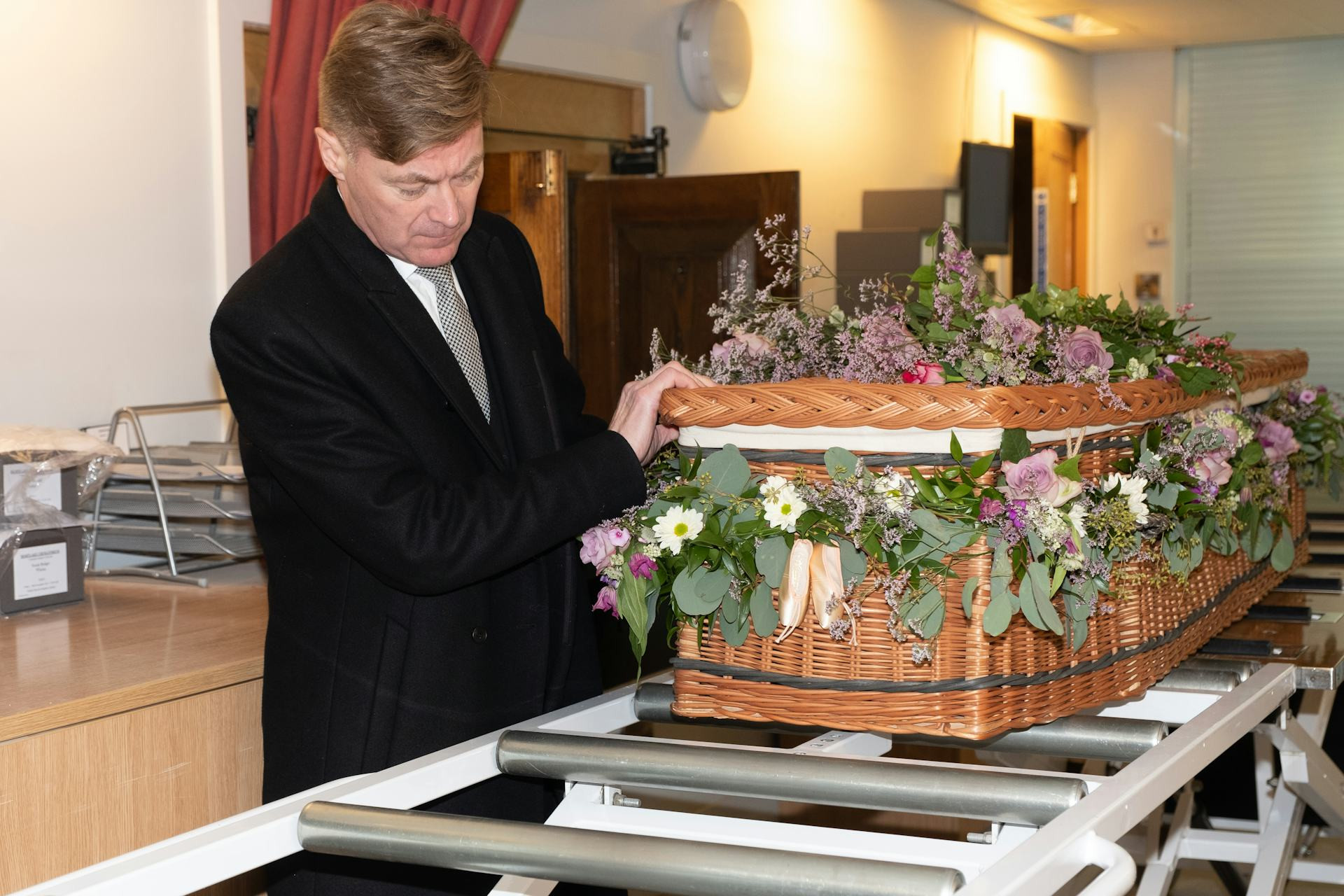
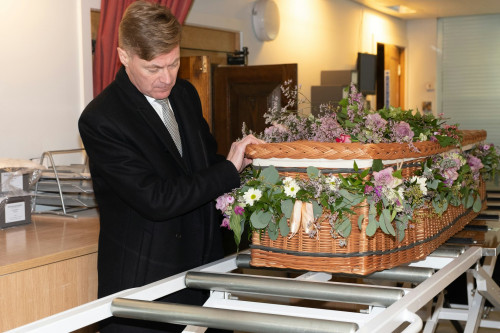
Manufacturers are experimenting with bamboo, willow, and even pressed paper pulp—materials that decompose naturally and leave a minimal ecological footprint. Some designs are optimized for green burials, while others are crafted to reduce emissions during cremation. Even adhesives, finishes, and linings are being reformulated to meet eco-friendly standards.
Beauty with a Conscience
Choosing a sustainable casket no longer means sacrificing elegance. In fact, many designers see environmental responsibility as an opportunity to create pieces that are both simple and striking. Natural finishes, soft tones, and organic textures are replacing the glossy veneers of the past.
Funeral directors report that families are often surprised by how refined and contemporary these eco-conscious designs can be. The focus has shifted from mere function to creating a meaningful, aesthetically pleasing tribute—one that honors both the deceased and the planet.
Læs også:
Changing Rituals, Changing Values
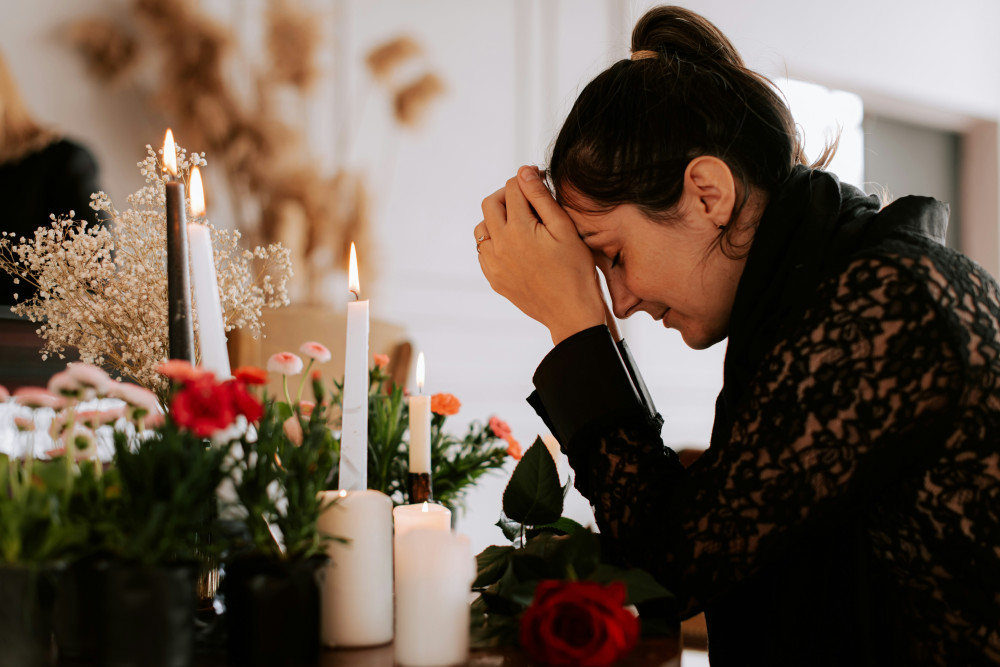
The evolution of casket design mirrors broader changes in how Americans approach end-of-life rituals. Increasingly, people want ceremonies that feel personal, authentic, and aligned with their beliefs. The choice of casket, flowers, and music has become part of a larger narrative about a life well lived.
For some, that means selecting a casket suitable for a natural burial ground or conservation cemetery. For others, it’s about supporting local craftspeople or small-scale producers rather than mass-market suppliers. These choices reflect a desire to live—and leave—according to one’s principles.
The Future of Casket Design
Casket design in the U.S. is moving toward greater individuality, transparency, and environmental responsibility. Advances in materials science and digital technology are making it easier to produce sustainable options and to customize them online. Some companies now offer modular designs that can be tailored to personal preferences, while others integrate digital visualization tools to help families plan every detail.
As the funeral industry continues to evolve, the casket is no longer just a practical necessity—it’s a statement of values, aesthetics, and legacy. When sustainability and beauty come together, even the final farewell becomes a meaningful part of the story we leave behind.
Læs også: