Blackjack with Care: When Should You Hit, Stand, Split, or Double Down?

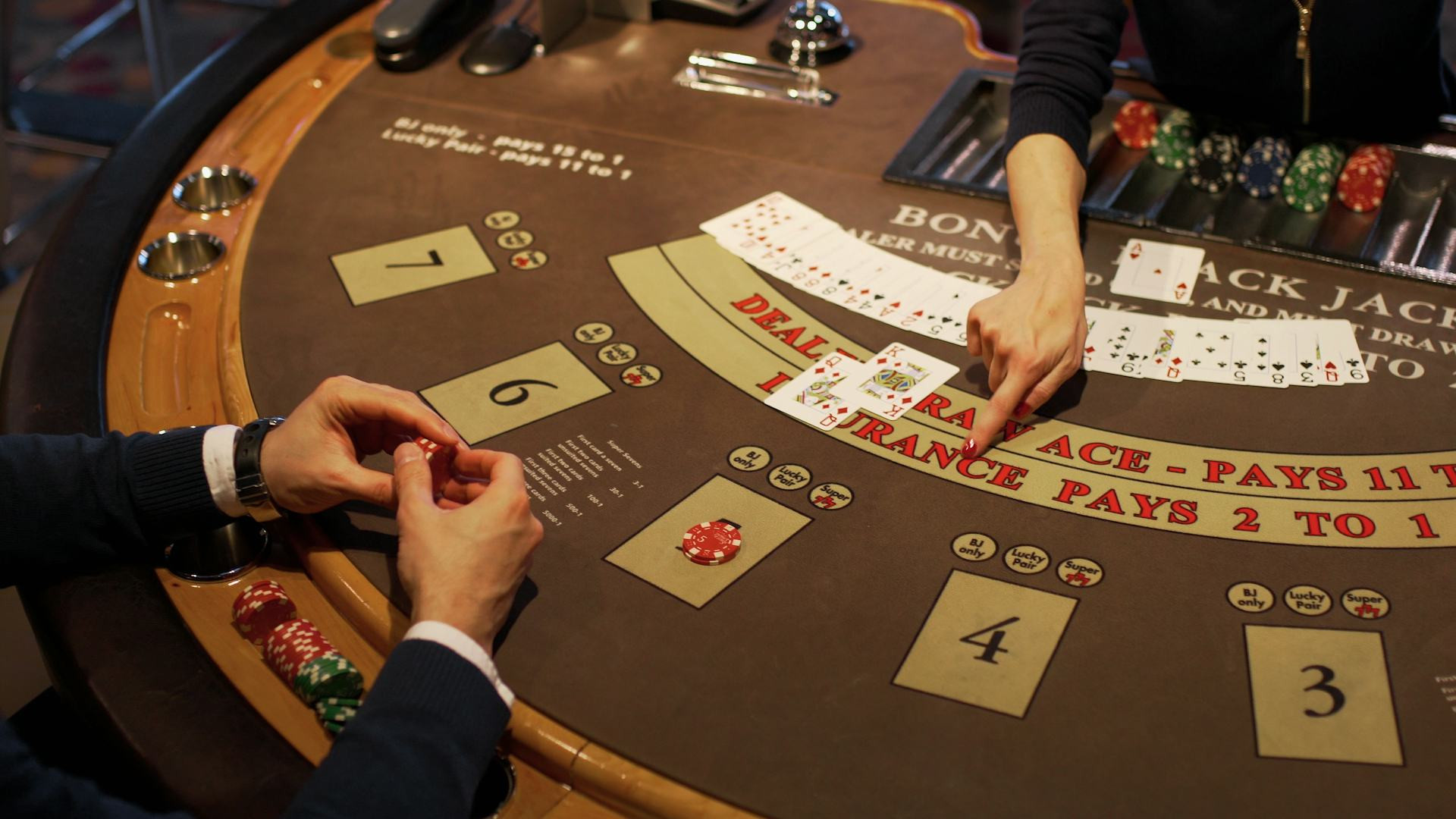
Blackjack with Care: When Should You Hit, Stand, Split, or Double Down?
Blackjack is one of the most popular casino games in the United States—both in Las Vegas and online. It’s a game that blends luck and strategy, and even small decisions can make a big difference in the long run. Many players rely on instinct, but those who understand the basic principles have a much better chance of coming out ahead. Here’s a guide to when you should hit, stand, split, or double down—and how to play with care.
The Basics of Blackjack
The goal of blackjack is simple: get closer to 21 than the dealer without going over. Each player starts with two cards and must decide whether to hit (take another card), stand (keep your current hand), split (divide a pair into two hands), or double down (double your bet for one more card). The dealer follows fixed rules, but you have the freedom to choose your strategy.
Cards from 2 through 10 are worth their face value, face cards count as 10, and aces can count as either 1 or 11. That flexibility is what makes blackjack both exciting and strategic.
When Should You Hit?
Hitting can be tempting, but every extra card increases your risk of going bust. The key is to hit when your hand is weak and the odds of improving it outweigh the risk of losing.
- With a hand of 8 or less, you should almost always hit—you can’t bust with one card.
- With 12–16, your decision depends on the dealer’s upcard. If the dealer shows a 7 or higher, it’s usually best to hit, since the dealer is likely to end up with a strong hand.
- With 17 or more, you should generally stand—the risk of busting is too high.
Knowing these thresholds helps you make rational decisions instead of relying on gut feeling.
When Should You Stand?
Standing means you’re satisfied with your hand and don’t want more cards. It’s a defensive move, but often the smartest one.
- With 17 or higher, you should almost always stand.
- With 13–16, if the dealer shows a low card (2–6), it’s usually wise to stand. The dealer has a good chance of busting in that situation.
- With a soft hand (a hand containing an ace counted as 11), you can afford to be more flexible—you can hit without the immediate risk of going over 21.
Standing at the right time is about recognizing when the risk lies with the dealer rather than with you.
When Should You Split?
When you’re dealt two cards of the same value, you can split them into two separate hands. It costs an extra bet, but it can double your chances of winning.
- Always split aces and eights. Two aces give you two chances to hit 21, and two eights (a total of 16) is a weak hand that usually loses if you don’t split.
- Never split tens or fives. Two tens give you 20—a strong hand you shouldn’t break up. Two fives make 10, which is a great hand to double down on instead.
- Split pairs of 2s, 3s, 6s, 7s, or 9s depending on the dealer’s upcard. If the dealer shows a weak card (2–6), splitting can be a smart move.
Splitting is an investment—it only pays off when the odds are in your favor.
Læs også:


When Should You Double Down?
Doubling down means you double your bet and receive exactly one more card. It’s an aggressive move used when you have a strong hand and the dealer looks vulnerable.
- With 10 or 11, and the dealer shows a low card (2–9), doubling down is often a good idea.
- With a soft 16–18 (for example, an ace and a 5), you can also double down if the dealer shows a low card.
- Avoid doubling down if the dealer shows a 10 or an ace—the risk of losing is too high.
Doubling down at the right time can significantly boost your winnings, but it requires discipline and an understanding of probabilities.
Play Responsibly—and Know Your Limits
Even though blackjack involves strategy, it’s still a game of chance. No strategy guarantees a win every time. That’s why it’s important to play responsibly:
- Set a budget before you start, and stick to it.
- Don’t chase losses—that rarely leads to good decisions.
- Take breaks, and only play when you’re focused.
- Remember that blackjack should be entertainment, not a way to make money.
By combining basic strategy with responsible play, you can get much more enjoyment out of the game—whether you’re at a casino in Atlantic City or playing online from home.
A Balance of Luck and Strategy
Blackjack rewards players who think carefully. It’s not about winning every hand, but about making the right decisions over time. When you learn when to hit, stand, split, or double down, you’re not just playing better—you’re playing with care.
Læs også: